
THEME: CONNECTING AFRICA, ACCELERATING GROWTH
SUB-THEME: INDUSTRIALISATION, MARKET ACCESS AND THE SAHEL GATEWAY
4–5 NOVEMBER 2026 | KANO, NIGERIA
Organised by FutureMap Foundation
1. PREAMBLE
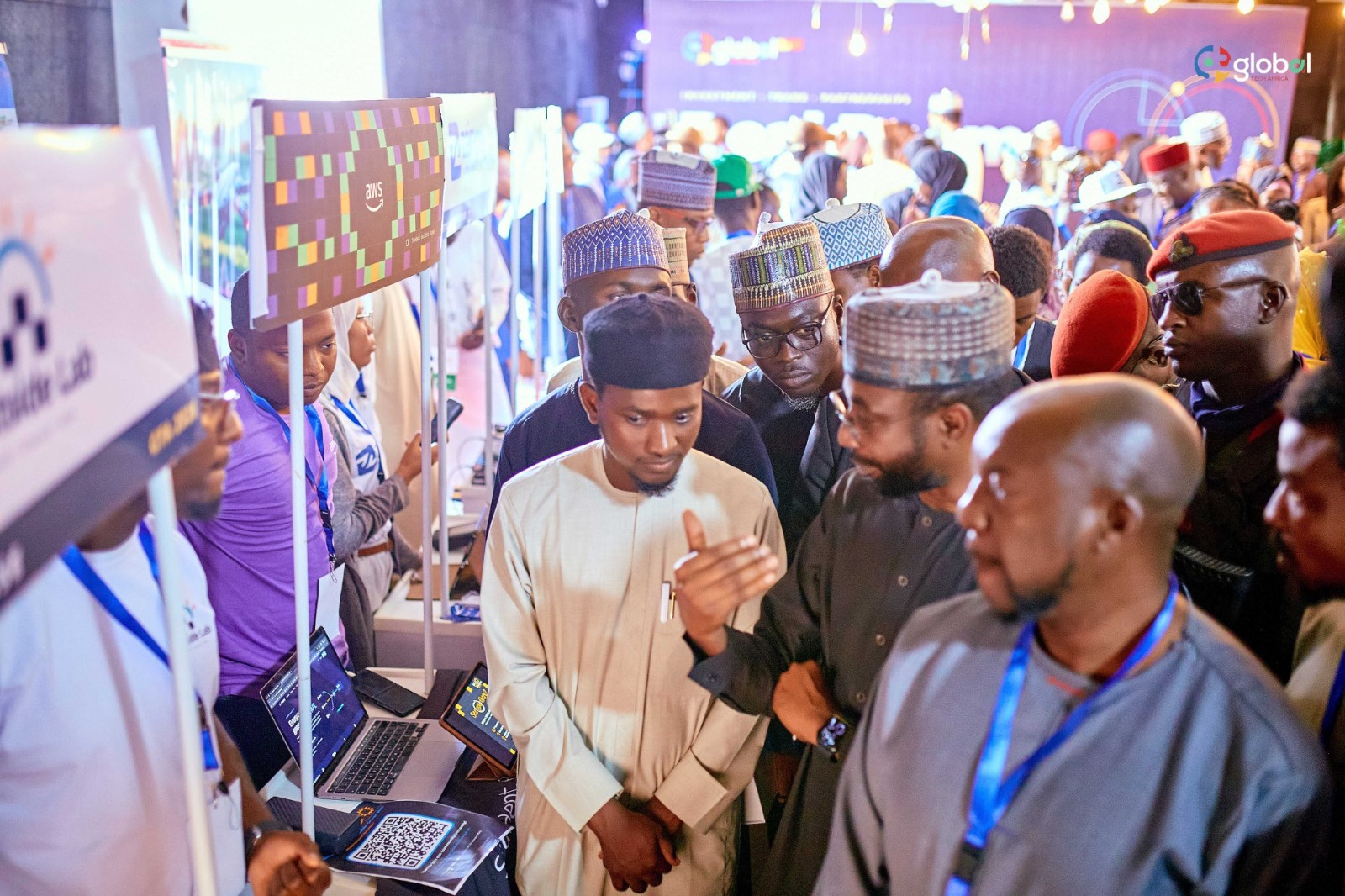
Global Tech Africa (GTA) 2026, organised by FutureMap Foundation, was held on 4 and 5 November 2026 at the Amani Event Center, Kano State, Nigeria, under the theme *“Connecting Africa, Accelerating Growth,”* with a focus on Industrialisation, Market Access and the Sahel Gateway.
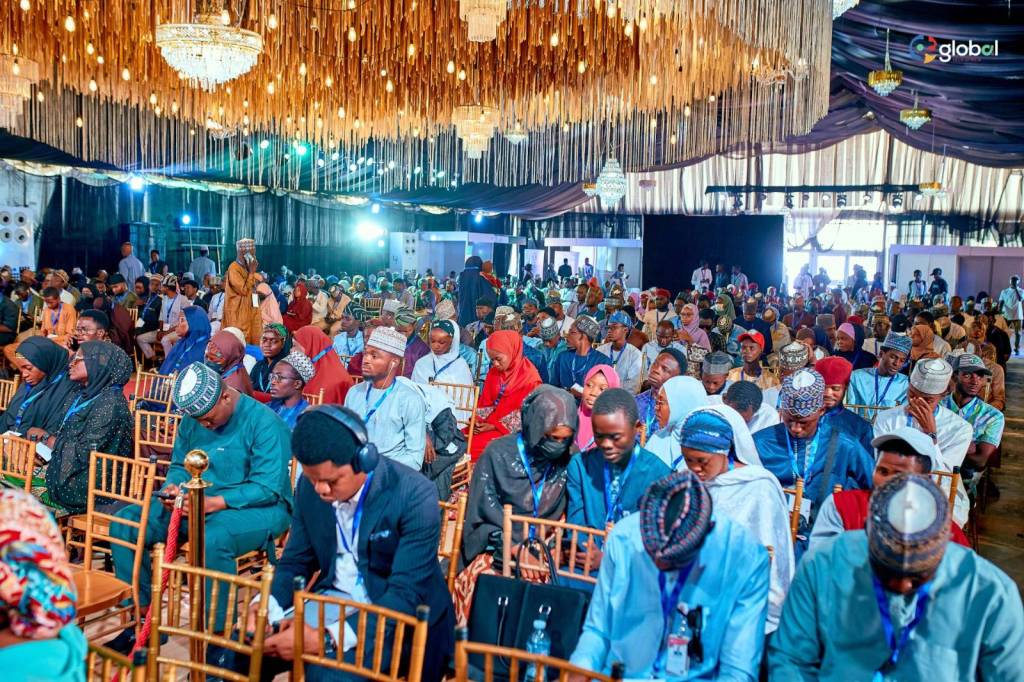
The conference had 11,300 registrants out of which 5744 participants were in attendance across two days, including policymakers, government representatives, technology innovators, entrepreneurs, investors, academics, financial institutions, development partners, industry leaders, researchers and other stakeholders from across Nigeria and the African continent to deliberate on practical strategies for accelerating Africa’s economic transformation through technology, industrialisation, innovation and regional integration. This remarkable turnout positioned Global Tech Africa 2026, as the biggest convening of its kind in Africa.

Supported by key institutional partners, including the National Information Technology Development Agency (NITDA), the Nigerian Communications Commission (NCC), MTN, AFCTA, AU-NEPAD, Venture Garden Group (VGG), Nigerian Institute of Transport Technology (NITT), British Council, Nigerian Custom Service, Nigerian Investment Promotion Council (NIPC), Manufacturers Association of Nigeria (MAN) and other ecosystem partners, the conference featured 24 sessions across two days, comprising keynote addresses, panel discussions, leadership conversations, masterclasses, workshops, investment roundtables, working sessions, debates and the GTA Innovation Challenge.
The conference was conceived against the backdrop of the need to bridge the gap between Africa’s technological potential and its capacity to translate innovation, natural resources and human capital into sustainable economic prosperity.
Drawing on Kano’s historical significance as a commercial gateway connecting West Africa to the Sahel, North Africa and other international markets, GTA 2026 sought to reposition technology as an enabler of productive enterprise, industrial development, trade facilitation and inclusive economic growth.
Following extensive deliberations, participants identified critical opportunities, structural challenges and strategic interventions required to strengthen Africa’s innovation ecosystem and accelerate its transition from a predominantly consumption-driven economy towards one anchored in production, value creation and competitiveness.
2. KEY OBSERVATIONS AND FINDINGS
Having examined the issues raised during the keynote addresses, panel discussions, workshops, masterclasses and other conference sessions, participants observed as follows:
2.1 Technology as an Enabler of Industrialisation and Economic Transformation
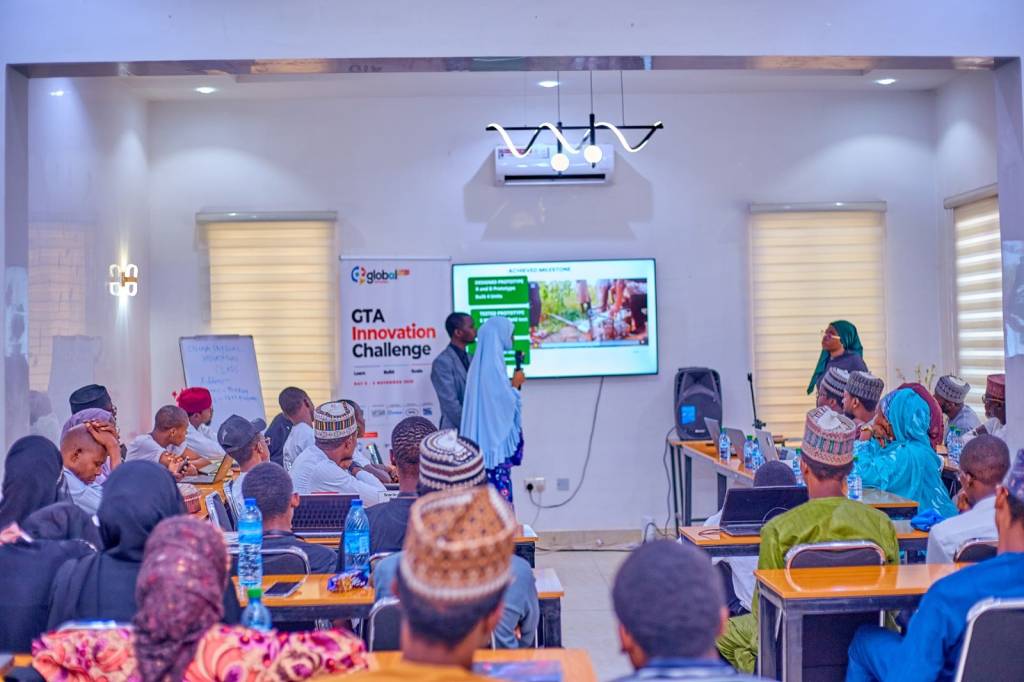
The conference observed that technology must move beyond being viewed as an independent sector and become an integral driver of productivity, industrialisation, agriculture, manufacturing and commerce.
Participants emphasised that digital innovation must respond to real economic challenges, particularly those affecting farmers, manufacturers, artisans, traders and small and medium-sized enterprises (SMEs).
The discussions further established that the success of Africa’s digital transformation depends on its ability to integrate technology into foundational economic sectors, improve production processes, reduce operational costs and strengthen the competitiveness of locally produced goods and services.
2.2 Transitioning from Consumption to Production and Value Creation
Participants recognised that Africa’s abundant natural resources, youthful population and entrepreneurial potential have not translated into commensurate levels of industrial development and economic prosperity.
The conference emphasised the urgent need to transition from the export of raw materials and dependence on imported finished products towards domestic production, value addition, processing, standardisation and commercialisation.
The discussions highlighted the interdependence of agriculture, manufacturing and consumer purchasing power, demonstrating that industrial development cannot be sustained without a productive agricultural sector and a resilient domestic economy.
Kano’s historical commercial strength was identified as an important foundation for rebuilding regional production networks and positioning the city as a centre for industrial innovation and trade.
2.3 Regional Trade, Market Access and the Sahel Gateway
The conference recognised Kano’s strategic geographical and commercial position as a potential gateway for connecting Nigerian businesses with markets across the Sahel and the wider African continent.
Delegates identified significant barriers to cross-border commerce, including:
• High transportation and logistics costs.
• Weak and fragmented supply-chain systems.
• Difficulties with cross-border payments and foreign exchange.
• Customs and regulatory bottlenecks.
• Inadequate multimodal transportation infrastructure.
• Limited access to international market information.
• Insufficient cold-chain and warehousing facilities.
• Challenges relating to product certification and international standards.
The conference further observed that the African Continental Free Trade Area (AfCFTA) presents significant opportunities for expanding intra-African trade, provided that appropriate infrastructure, regulatory coordination, payment systems and trade facilitation mechanisms are established.
Participants stressed that African businesses must be supported to move beyond local markets and develop the capacity to compete regionally and internationally using technology.
2.4 Investment Readiness and Access to Finance
The conference observed that the challenge of financing African businesses is not solely attributable to the availability of capital but also to the limited investment readiness of many enterprises.
Discussions highlighted the importance of sound corporate governance, transparent financial records, structured business operations, validated business models, sustainable revenue streams and clear pathways to profitability.
Delegates emphasised the need to move beyond conventional financing models and explore patient capital, venture financing, non-interest financial instruments, risk-sharing arrangements and other innovative financing mechanisms such as the camel approach that accommodate the realities of African enterprises.
The importance of aligning financing instruments with the growth stages and operational requirements of businesses was also emphasised.
2.5 Artificial Intelligence and Digital Transformation
The conference acknowledged the transformative potential of Artificial Intelligence (AI) in improving business operations, enhancing productivity, expanding market access, strengthening customer engagement and supporting innovation across multiple sectors.
However, participants cautioned against adopting AI and other emerging technologies without clearly identifying the problems they are intended to solve.
The discussions established that businesses should assess their operational needs, available data, workforce capabilities, implementation costs and expected returns before investing in technological solutions.
The conference also recognised the importance of developing locally relevant AI solutions, particularly through African-language datasets, including Hausa, Igbo, Yoruba and Nigerian Pidgin, to promote inclusive technological development.
Delegates further highlighted the need for responsible AI adoption, human oversight, ethical governance and continuous digital skills development.
2.6 Human Capital Development and Industry-Academia Collaboration
Delegates observed that Africa’s youthful population represents a significant economic asset, but unlocking its potential requires deliberate investment in relevant skills, education, mentorship and practical experience.
The conference identified a persistent gap between academic training and industry requirements, noting that educational institutions must increasingly focus on producing graduates capable of solving practical economic and technological challenges.
The importance of strengthening collaboration among universities, research institutions, innovation hubs, private-sector organisations and government through the Triple Helix Model was emphasised.
Delegates also highlighted the need to integrate entrepreneurship, digital literacy, artificial intelligence, practical research and commercialisation into educational and professional development programmes.
2.7 Policy Implementation and Institutional Continuity
The conference observed that policy inconsistency, overlapping regulatory responsibilities, bureaucratic bottlenecks and weak implementation mechanisms continue to constrain business development and investment confidence.
Delegates stressed that the formulation of policies must be accompanied by clear implementation frameworks, measurable indicators, institutional accountability and effective stakeholder engagement.
The importance of establishing one-stop regulatory services, strengthening public-private partnerships and ensuring continuity of development programmes across political administrations was underscored.
2.8 Sustainable Enterprise Development and Business Resilience
Participants emphasised that sustainable enterprise development requires more than rapid expansion or access to funding.
The discussions highlighted the importance of profitability, operational efficiency, sound governance, financial discipline, product standardisation and market validation.
The concept of building resilient, cash-flow-conscious businesses, rather than pursuing unsustainable high-growth models, was identified as an important consideration for African entrepreneurs.
The conference further encouraged MSMEs to adopt affordable and scalable digital tools, strengthen internal capabilities and validate business opportunities through structured pilot programmes before committing substantial resources.
3. CONFERENCE RECOMMENDATIONS AND RESOLUTIONS
In view of the foregoing observations and deliberations, the conference made the following recommendations and calls to action:

3.1 Government and Policymakers
The conference called on federal, state and local governments to:
1. Strengthen policy continuity and institutional accountability through measurable implementation frameworks, monitoring mechanisms and public performance scorecards.
2. Establish and strengthen one-stop regulatory services to simplify business registration, licensing and compliance processes while addressing overlapping regulatory responsibilities.
3. Accelerate the implementation of the Kano State Digital Transformation Roadmap 2025–2030 and support the operationalisation of the proposed Kano State Data Centre.
4. Expand broadband connectivity, fibre-optic infrastructure and reliable electricity access, particularly in underserved communities and industrial clusters.
5. Strengthen regional trade cooperation by promoting harmonised customs procedures, cross-border payment mechanisms and coordinated trade policies.
6. Increase opportunities for qualified indigenous technology companies through public procurement and local technology adoption.
7. Promote the development of regulatory sandboxes to support innovation in agriculture, logistics, financial technology and other emerging sectors.
8. Strengthen stakeholder engagement in policy formulation and implementation, ensuring that SMEs, trade associations, academia and community organisations are adequately represented.
9. Prioritise investments in transportation corridors, logistics infrastructure, rural connectivity and industrial development.
10. A pledge of $50m seed funds to support Nigeria’s Technology startups
3.2 Financial Institutions, Investors and Development Finance Institutions
The conference called on banks, investors, venture capital firms and development finance institutions to:
11. Expand access to patient capital and financing instruments suited to the different stages of business development.
12. Strengthen non-interest financing opportunities and risk-sharing mechanisms for entrepreneurs and MSMEs.
13. Support investment-readiness programmes that improve financial management, corporate governance, business formalisation and operational capacity.
14. Promote investment in productive sectors, particularly agriculture, manufacturing, logistics, trade finance, payments and industrial technology.
15. Develop a shared understanding of investment readiness among entrepreneurs, investors and financial institutions.
16. Explore innovative financing mechanisms, including commodity-backed financing, venture investment and structured investment syndicates.
17. Support early-stage businesses with mentorship, technical assistance and business development services alongside financial investment.
3.3 Entrepreneurs, Start-ups and MSMEs
The conference urged entrepreneurs and business owners to:
18. Formalise business operations through sound governance structures, transparent financial records and proper separation of personal and business finances.
19. Validate market demand before committing substantial resources to product development, technology adoption or business expansion.
20. Prioritise profitability, sustainable business models, operational efficiency and strong unit economics.
21. Adopt appropriate and affordable digital tools to improve productivity, customer engagement, financial management and market access.
22. Develop products and services that meet international standards and are capable of competing in regional and global markets.
23. Explore cross-border opportunities through digital commerce, accessible payment solutions and regional trade networks.
24. Invest in continuous learning, workforce development and responsible adoption of emerging technologies.
25. Strengthen internal business systems to ensure that enterprises can operate sustainably beyond the direct involvement of their founders.
3.4 Universities, Innovation Hubs and Research Institutions
The conference called on academic institutions, innovation hubs and research organisations to:
26. Align academic curricula and research activities with industry needs and practical economic challenges.
27. Strengthen collaboration between academia, industry and government to promote innovation, technology transfer and research commercialisation.
28. Establish integrated innovation hubs and Centres of Excellence that connect researchers, entrepreneurs, investors and industry stakeholders.
29. Expand practical mentorship, entrepreneurship education, business governance training and investment-readiness support for young innovators.
30. Promote industry-relevant research and strengthen the commercial application of academic discoveries.
31. Integrate digital literacy, AI education, entrepreneurship and emerging technology skills into relevant educational programmes.
32. Encourage universities to adopt stronger industry-relevance requirements in research and thesis development, including the proposed consideration of practical industry relevance in postgraduate research assessment.
33. Centre for Entrepreneurship Research and Training (CERT), Bayero University Kano, pledged open source courses on how to utilize digital tool for business
3.5 Technology Developers and Digital Innovation Stakeholders
The conference urged technology developers and digital innovation stakeholders to:
34. Invest in African-language datasets and locally relevant AI solutions, including Hausa, Igbo, Yoruba and Nigerian Pidgin.
35. Develop affordable, accessible and scalable digital products that respond to the realities of African businesses and communities.
36. Design technology solutions that accommodate low-connectivity environments and varying levels of digital literacy.
37. Ensure that AI systems are developed and deployed with appropriate ethical safeguards, human oversight and measurable impact.
38. Promote flexible technology subscription models, including pay-as-you-use arrangements, to improve accessibility for MSMEs.
39. Strengthen collaboration with universities, research institutions and local innovation ecosystems to develop homegrown technology solutions.
3.6 Trade, Logistics and Industrial Stakeholders
The conference called on trade associations, manufacturers, logistics operators and relevant institutions to:
40. Invest in multimodal transportation systems, logistics hubs and cold-chain infrastructure, particularly in Kano and other strategic commercial locations.
41. Strengthen cross-border payment systems and foreign exchange solutions to facilitate intra-African commerce.
42. Improve customs cooperation, cargo tracking, product traceability and border facilitation mechanisms.
43. Promote product standardisation, certification and compliance with international market requirements.
44. Support the development of efficient trade corridors connecting African businesses to regional and international markets.
45. Strengthen the utilisation of existing industrial and export-processing infrastructure, including the Kano Free Trade Zone.
46. Encourage local value addition, sustainable manufacturing and the development of integrated agricultural and industrial value chains.
4. KEY CONFERENCE OUTCOMES
The conference recorded the following notable outcomes:
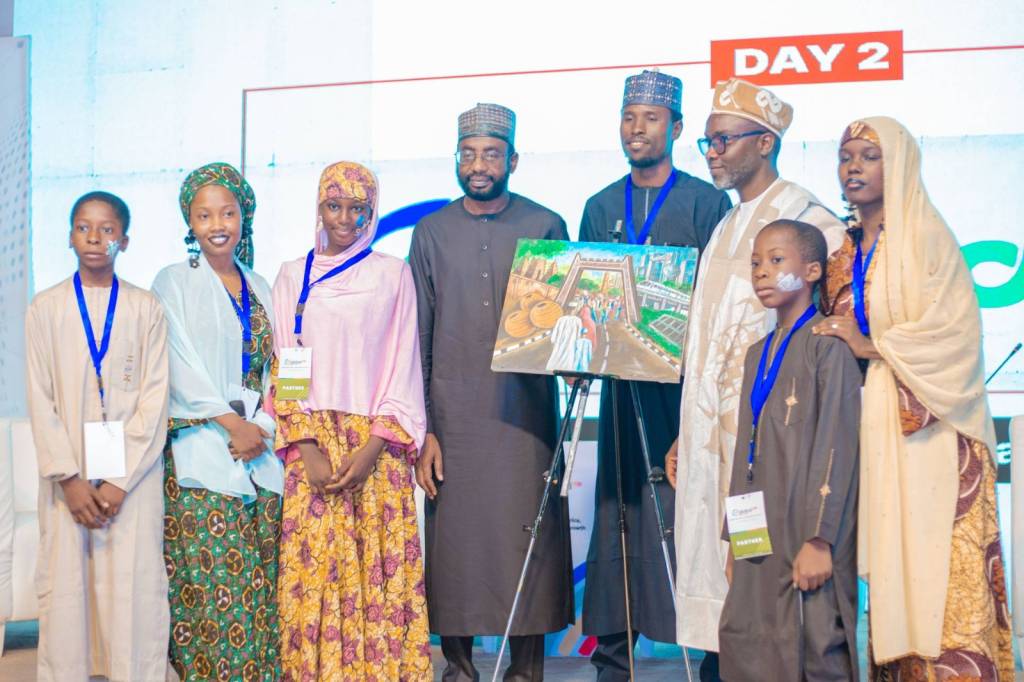
4.1 GTA Innovation Challenge
The GTA Innovation Challenge provided a platform for emerging African entrepreneurs and technology innovators to present solutions addressing practical economic and societal challenges.
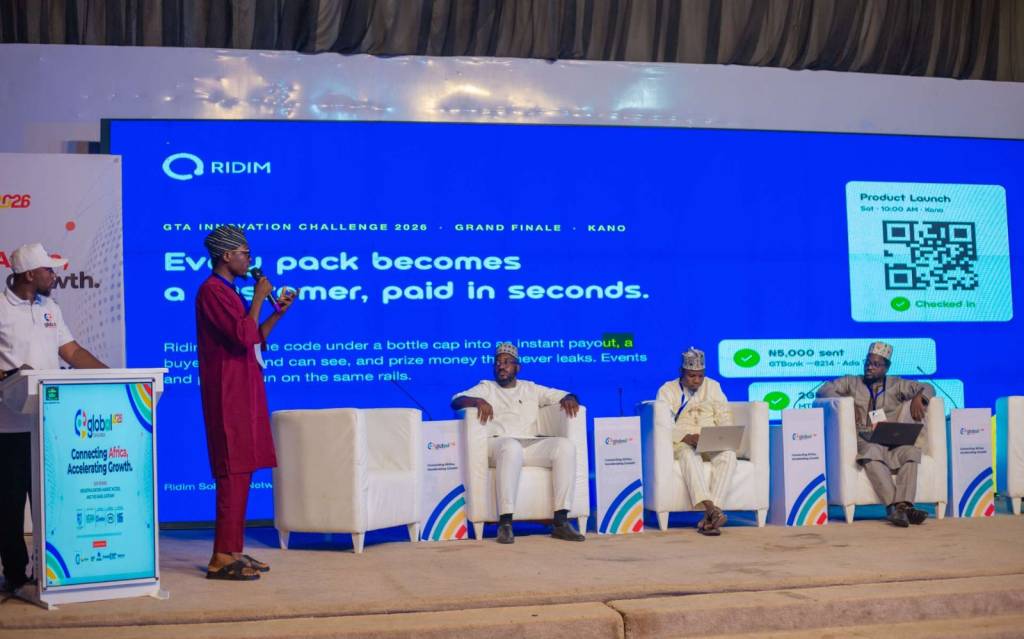
Fifteen early-stage start-ups participated in the final pitching process, presenting innovations across different sectors, including AI-enabled healthcare, agricultural technology, hardware and robotics.
Following the evaluation process conducted by the judging panel, three start-ups emerged as winners and received a total of ₦13,000,000 in non-dilutive grants, distributed as follows:
| Position | Winning Start-up | Grant Award |
| First Place | No Pain Pal (Infinity Innovations) | ₦6,500,000 |
| Second Place | My Slate | ₦4,000,000 |
| Third Place | Cambridge | ₦2,500,000 |
| Total | ₦13,000,000 |
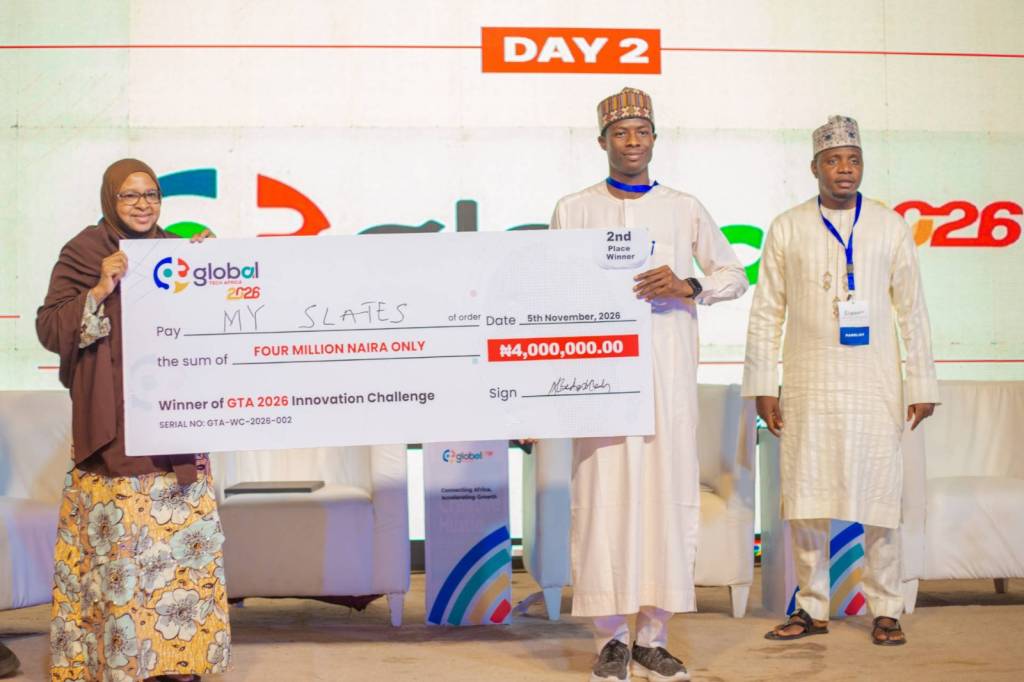
The conference recognised the importance of providing early-stage businesses with access to capital, mentorship and business development support to accelerate the commercialisation and scaling of innovative solutions.
4.2 Continental Participation and Convening Impact
Global Tech Africa 2026 recorded attendance of over 11,300 participants, reflecting substantial engagement from across Nigeria and the African continent. The scale of participation strengthened the conference’s position as a major platform for connecting policymakers, businesses, investors, innovators, academics and development partners. FutureMap Foundation described the gathering as the biggest convening of its kind in Africa.
4.3 Investment and Enterprise Development Proposals
The conference discussions generated proposals aimed at strengthening investment readiness and access to capital for African enterprises.
These included:
• Capital Sequencing Playbook: A proposed framework to help entrepreneurs and investors identify appropriate financing instruments based on business maturity, operational requirements and growth stages.
• Kano Agro-Commodity Syndicate: A proposed financing mechanism to strengthen commodity trade and agricultural value chains through the participation of angel investors and private equity firms.
• Curated Investor– Deal Rooms: Continued engagement between investors and investment-ready businesses to facilitate potential financing, partnerships and commercial opportunities.
These initiatives were identified as areas for further development and stakeholder engagement.
4.4 Regional and Continental Expansion
The conference reaffirmed the ambition of Global Tech Africa to evolve into a continental platform connecting innovation ecosystems, businesses, investors and policymakers across African markets.
Expressions of interest and bids from five African countries to host or collaborate on GTA 2027 were reported, reflecting growing interest in the conference’s regional and continental vision.
The selection of the next host country was identified as a priority for subsequent engagement by FutureMap Foundation.
4.5 Knowledge Development and Capacity Building
The masterclasses and practical sessions provided participants with opportunities to strengthen their understanding of regional trade, investment readiness, entrepreneurship, employment and digital transformation.
The conference also highlighted the importance of sustaining practical learning through structured mentorship, business digitalisation programmes and industry-oriented capacity development.
Proposals for business digitalisation training in Hausa and English through Landmark Business School and Bayero University’s Centre for Entrepreneurship were identified as opportunities for further engagement.
5. CONFERENCE FEEDBACK AND ENGAGEMENT HIGHLIGHTS
Feedback and engagement information captured in the consolidated conference project report provided additional insight into the event’s performance and areas for improvement.
5.1 Participant Experience
The consolidated project report recorded an overall mean event rating of 4.00 out of 5. A total of 72.1% of respondents rated the event as Excellent or Very Good, while 89.1% rated it Good or better. These results indicate a broadly positive participant experience and provide a basis for strengthening future editions.
5.2 Masterclass Learning Outcomes
The masterclass feedback recorded an increase in participants’ self-assessed knowledge scores from 2.21 to 3.73 out of 5. Participants rated the usefulness of the masterclasses at 7.49 out of 10. Confidence in applying the knowledge gained remained moderate, at approximately 3.2 out of 5. These findings underscore the importance of strengthening post-event mentorship, practical implementation support and follow-up learning opportunities.
5.3 Partnership and Business Engagement
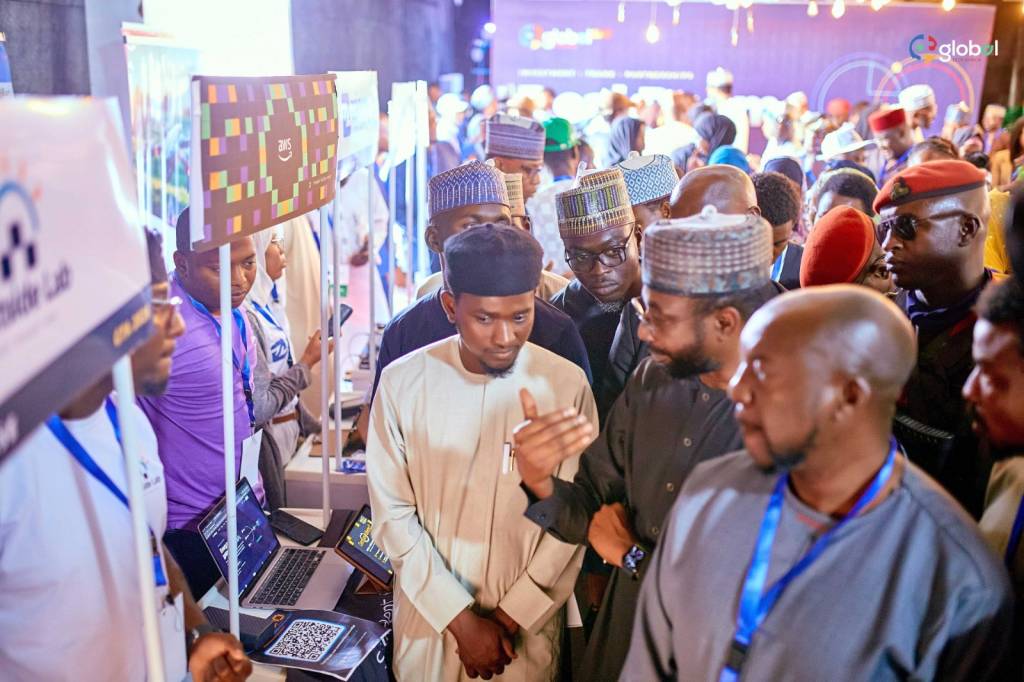
The consolidated report recorded 57 partnership Organization entry and 3946 business-to-business outcome entries.
These outcomes demonstrate the importance of maintaining structured post-conference engagement to convert discussions and introductions into measurable partnerships, business opportunities and investment outcomes.
5.4 Media and Digital Engagement
The consolidated project report recorded approximately 625,800 digital media views and impressions, alongside 29,700 engagements and 3,468 followers gained. The report also referenced more than two million impressions from third-party media coverage.
These figures were reported across different measurement windows and should not be interpreted as unique audience reach or combined into a single unduplicated reach figure. The media performance demonstrated the value of strategic communication, stakeholder visibility and digital engagement in amplifying the conference’s objectives and outcomes.
6. WAY FORWARD AND IMPLEMENTATION PRIORITIES
Recognising that the success of Global Tech Africa must be measured by the practical application of its recommendations, the conference identified the following priorities for post-conference implementation:
47. Investor–MSME Engagement: Establish structured deal-room opportunities to connect investors, financial institutions and investment-ready businesses for potential partnerships and financing.
48. Innovation Challenge Follow-up: Provide post-challenge mentorship and business development support to the three winning start-ups while maintaining an engagement pipeline for the other twelve participating teams.
49. Trade Facilitation: Advance trade-enablement recommendations aligned with AfCFTA, with particular attention to cross-border payments, customs cooperation, logistics and market access.
50. Capital Sequencing Framework: Further develop the proposed Capital Sequencing Playbook to support entrepreneurs in identifying appropriate financing pathways.
51. Agro-Commodity Financing: Explore the proposed Kano Agro-Commodity Syndicate as a mechanism for mobilising capital towards agricultural production, processing and commodity trade.
52. Digital Infrastructure Development: Sustain engagement with the Kano State Government and relevant institutions towards the operationalisation of the Kano State Data Centre and implementation of the Digital Transformation Roadmap 2025–2030.
53. Business Digitalisation: Promote accessible business digitalisation training in Hausa and English, particularly for MSMEs and emerging entrepreneurs.
54. Human Capital Development: Strengthen partnerships among universities, innovation hubs, industry and government to improve practical skills development, mentorship and technology commercialisation.
55. Stakeholder Engagement and Partnerships: Maintain structured engagement with institutional partners, sponsors, investors, development organisations and other stakeholders to translate conference recommendations into measurable outcomes.
56. Global Tech Africa 2027: Sustain preparations for the next edition of the conference, including stakeholder consultations, continental partnerships and the selection of the next host country.
7. CALL TO ACTION
The conference calls on African governments, policymakers, private-sector organisations, investors, financial institutions, academic institutions, technology developers, entrepreneurs and development partners to move beyond isolated interventions and embrace coordinated action towards Africa’s economic transformation.
Governments are encouraged to provide consistent policies, enabling infrastructure and regulatory environments that support innovation and enterprise development.
Investors and financial institutions are encouraged to deploy capital strategically towards productive enterprises, early-stage innovation and industrial development.
Universities and research institutions are urged to strengthen the relationship between academic knowledge and practical economic needs.
Entrepreneurs and innovators are encouraged to build sustainable businesses, embrace responsible technology adoption and develop solutions capable of competing across African and global markets.
Development partners and ecosystem organisations are called upon to strengthen collaboration, support capacity development and facilitate access to resources, markets and opportunities.
Above all, the conference calls for a renewed commitment to making technology work for the people, businesses and industries that drive Africa’s economic growth.
8. ACKNOWLEDGEMENTS
Global Tech Africa 2026 expresses its profound appreciation to the Government and people of Kano State for their support and hospitality in hosting the conference.
Special appreciation goes to His Highness, the Emir of Kano; His Excellency, the Executive Governor of Kano State; the Director-General of the National Information Technology Development Agency (NITDA); the Nigerian Communications Commission (NCC); MTN; and all institutional partners, sponsors and collaborating organisations whose support contributed to the successful delivery of the conference.
The conference also acknowledges the contributions of all keynote speakers, panellists, moderators, facilitators, judges, rapporteurs, exhibitors, media partners, volunteers, participants and members of the organising team.
Special recognition is extended to the entrepreneurs and start-ups whose innovations and participation demonstrated the depth of talent and creativity within Africa’s technology ecosystem.
FutureMap Foundation remains committed to advancing the vision of Global Tech Africa as a platform for connecting people, ideas, institutions, capital and markets towards a more productive, innovative and prosperous Africa.
9. CONCLUSION
Global Tech Africa 2026 reaffirmed that Africa’s economic transformation requires more than technological innovation or the availability of natural resources. It demands deliberate investments in human capital, productive infrastructure, industrial capacity, sound institutions, sustainable enterprises and regional economic integration.
The conference underscored the importance of repositioning technology as a practical instrument for solving real-world challenges, strengthening local industries, improving productivity, facilitating trade and expanding economic opportunities.
It further reaffirmed Kano’s strategic potential as a centre for commerce, innovation, industrial development and regional integration, drawing on its historic position as a gateway to the Sahel.
Participants called for sustained collaboration among governments, the private sector, investors, academia, entrepreneurs and development partners to translate the recommendations of the conference into measurable and lasting outcomes.
The conference concluded with a shared recognition that the future of Africa must be built through collective responsibility, strategic investment, innovation and practical action.
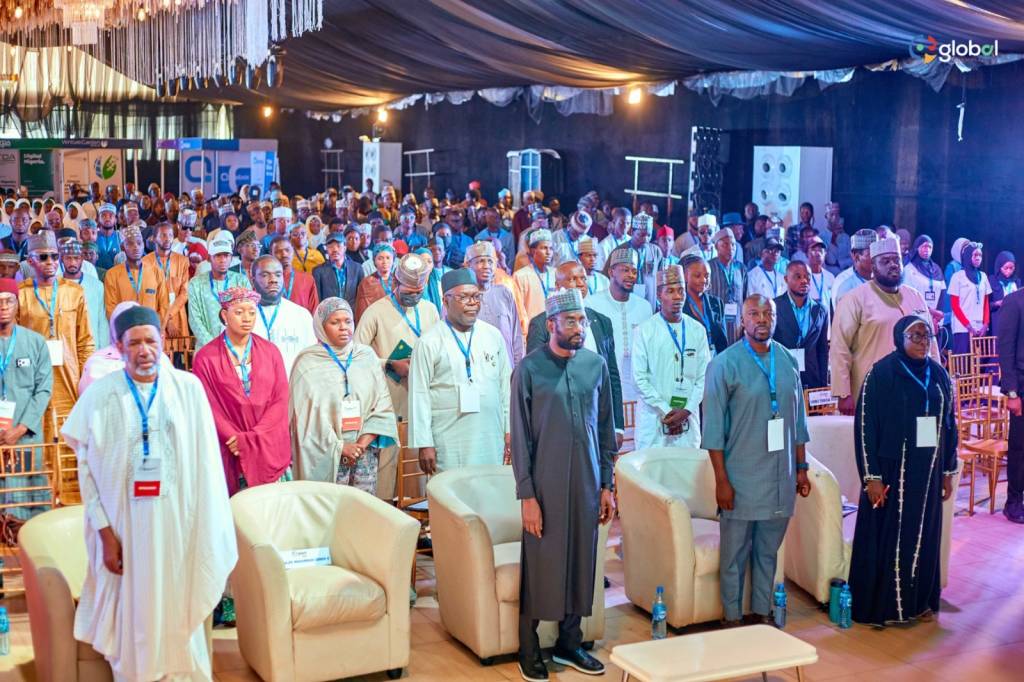
Connecting Africa requires collaboration. Accelerating growth requires production, innovation and investment. Building Africa’s future requires collective action.
ISSUED BY:
FUTUREMAP FOUNDATION
Organisers, Global Tech Africa 2026
Issued at the conclusion of Global Tech Africa 2026, Kano State, Nigeria, on 5 November 2026.
GLOBAL TECH AFRICA 2026 | FUTUREMAP FOUNDATION • 1